
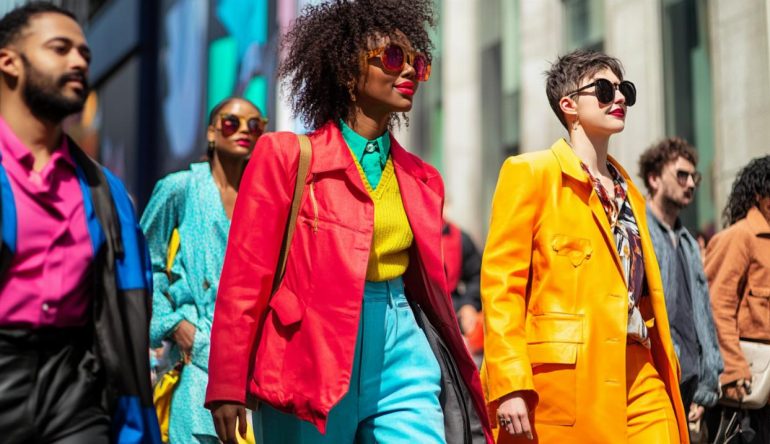
Fashion continues to be a powerful form of self-expression and cultural commentary, with each passing season introducing fresh perspectives that redefine how we dress and present ourselves to the world. As the industry evolves, certain movements and aesthetics have emerged that not only capture the attention of style enthusiasts but also reflect broader societal shifts towards consciousness, creativity, and individuality. Understanding these currents allows us to appreciate the dynamic nature of contemporary style and how it shapes our everyday choices.
The Rise of Sustainable and Ethical Fashion Movements
The fashion landscape has witnessed a profound transformation as consumers increasingly prioritise sustainability and ethical production in their purchasing decisions. This shift is particularly pronounced among younger demographics who are reshaping the industry with their values-driven approach to style. When examining the most popular fashion trends for 2021 and beyond, it becomes evident that eco-conscious considerations have moved from niche interest to mainstream expectation. The demand for transparency in supply chains and fair treatment of workers has compelled brands to reconsider their entire production models, creating a ripple effect throughout the entire sector.
This movement is not merely about rejecting fast fashion but embracing a more thoughtful relationship with clothing. Many shoppers now seek out brands that openly share their manufacturing processes and demonstrate genuine commitment to reducing environmental impact. The willingness to invest in pieces that align with personal values has become a defining characteristic of modern consumer behaviour, with a significant portion of shoppers expressing readiness to pay premium prices for items that meet higher ethical standards. This represents a fundamental shift in how fashion is valued, moving beyond mere aesthetics to encompass the story and impact behind each garment.
Eco-conscious materials revolutionising wardrobes
The materials that form the foundation of contemporary fashion have undergone remarkable innovation as designers and manufacturers seek alternatives to traditional textiles that carry heavy environmental costs. Organic cotton, recycled polyester, and plant-based fabrics have emerged as viable options that deliver both quality and reduced ecological footprint. These materials are no longer confined to specialised eco-brands but have been adopted across the fashion spectrum, from high-street retailers to luxury houses. The integration of sustainable materials into mainstream collections demonstrates that environmental responsibility and desirable aesthetics need not be mutually exclusive.
Beyond fabric selection, the concept of circularity has gained substantial traction within the industry. The secondhand market has experienced explosive growth, with projections indicating it will represent a substantial economic force in the coming years. This thriving sector reflects a cultural shift towards valuing longevity and uniqueness over constant newness. Vintage pieces and pre-loved items have become coveted finds rather than compromises, with many fashion enthusiasts actively curating wardrobes that blend new sustainable purchases with carefully selected secondhand treasures. This approach not only reduces waste but also allows for more distinctive personal style that cannot be replicated through mass-market offerings alone.
Transparency and Fair Trade in the Fashion Industry
The demand for transparency has fundamentally altered the relationship between brands and consumers, with shoppers now expecting detailed information about where and how their clothing is made. This expectation extends beyond vague sustainability claims to concrete evidence of ethical labour practices, fair wages, and safe working conditions throughout the supply chain. Brands that embrace this transparency often find that it strengthens customer loyalty, as shoppers develop trust in companies that openly share both their achievements and ongoing challenges in creating more ethical production systems.
Fair trade principles have become increasingly important within fashion retail, with certification programmes and independent audits providing verification of ethical practices. This movement acknowledges that true sustainability must address human welfare alongside environmental concerns. The recognition that the people who create our clothing deserve dignity, fair compensation, and safe working environments has resonated strongly with consumers who view their purchasing power as a form of activism. This ethical dimension has become inseparable from discussions of sustainable fashion, creating a more holistic understanding of what responsible style truly means.
Bold colours and statement prints dominating contemporary style
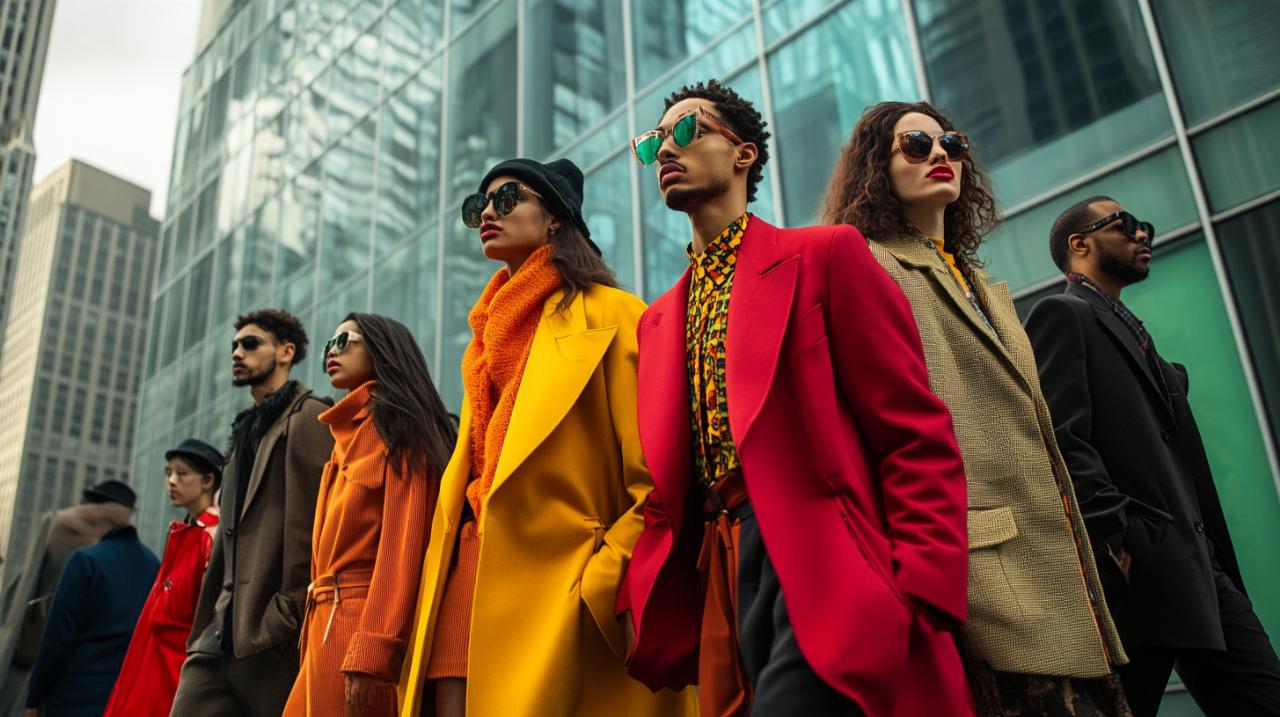
While ethical considerations shape the foundation of modern fashion, the visual language of contemporary style has embraced exuberance and self-expression through adventurous use of colour and pattern. The runway and street style alike have celebrated a departure from minimalist neutrals, instead championing bold hues and eye-catching prints that reflect optimism and individuality. This aesthetic shift represents a desire to stand out and make personal statements through clothing choices, moving away from the understated uniformity that dominated previous fashion cycles.
The resurgence of vibrant aesthetics aligns with a broader cultural moment that values authenticity and self-expression over conformity. Fashion has become a canvas for personal identity, with colour and pattern serving as powerful tools for communication before a single word is spoken. This embrace of visual boldness cuts across age groups and style tribes, manifesting differently but consistently present across the fashion landscape. Whether through a single statement piece or head-to-toe pattern coordination, the contemporary approach to colour and print reflects confidence and creative spirit.
Vibrant Hues Making Their Mark on the Runway
Runway presentations have showcased an unprecedented celebration of colour, with designers sending out collections drenched in saturated tones that demand attention. Electric blues, vivid greens, and striking magentas have displaced the safer palette of blacks, greys, and beiges that once dominated fashion offerings. This chromatic boldness extends beyond spring and summer collections into autumn and winter lines, challenging the traditional association of darker months with muted tones. The psychological impact of wearing vibrant colours has been acknowledged, with many embracing these hues as mood-enhancing elements within their wardrobes.
The democratisation of bold colour has meant that these runway trends quickly translate to accessible fashion, allowing people across all price points to participate in this colourful moment. Retailers have responded to consumer enthusiasm by expanding their colour ranges and encouraging customers to experiment with shades they might have previously considered too daring. This has created a more playful approach to dressing, where the risk of colour clashing is reframed as creative experimentation rather than fashion faux pas. The result is a street style landscape far more varied and visually exciting than in previous eras.
Maximalist patterns and graphic designs taking centre stage
Pattern has experienced a renaissance, with maximalist prints challenging the minimalist aesthetic that held sway for so long. Tie-dye has re-emerged as a significant trend, moving beyond its countercultural associations to become a sophisticated design technique embraced by high-end designers and accessible brands alike. The appeal of tie-dye lies in its inherent uniqueness, with each piece carrying slight variations that make it one of a kind. This aligns perfectly with the desire for individuality and the rejection of mass-produced uniformity that characterises contemporary fashion sensibilities.
Graphic designs and bold geometric patterns have similarly captured the imagination of both designers and consumers. These prints make strong visual statements and allow for personality expression without requiring extensive styling knowledge. Asymmetrical designs and one-shoulder silhouettes have complemented these bold patterns, creating garments that are architectural in their construction yet playful in their execution. The combination of striking prints with innovative cuts represents a holistic approach to statement dressing, where every element of a garment contributes to its impact. This maximalist moment celebrates abundance and creativity, offering an antidote to the restraint that previously defined aspirational style.