
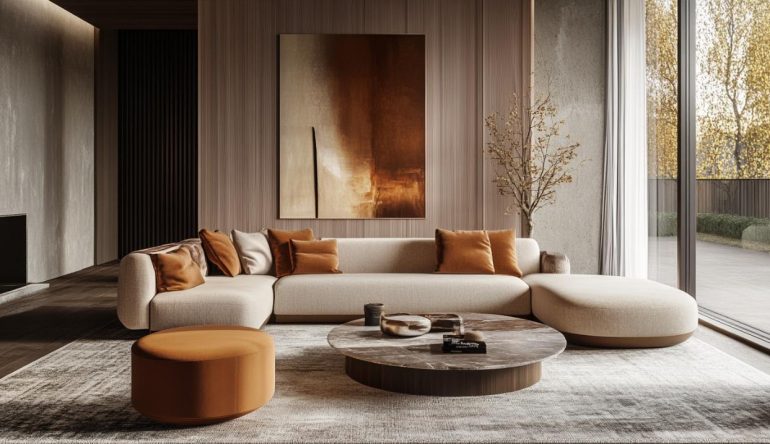
Investing in designer furniture is not merely about acquiring beautiful pieces for your home; it is about curating a space that reflects personal taste while ensuring longevity and enduring quality. The world of interior design has long celebrated the marriage of aesthetics and practicality, a philosophy that resonates deeply when considering how to care for sofas, statement chairs, and decorative elements that define our living spaces. Understanding the nuances of material care, routine maintenance, and thoughtful design choices can transform your home into a sanctuary that withstands the test of time.
Understanding the Fabric: Material-Specific Care for Velvet, Linen, and Luxury Textiles
The tactile richness of velvet, the natural elegance of linen, and the refined appeal of luxury textiles each demand a tailored approach to care. These materials, celebrated for their visual and sensory qualities, require attention to detail to preserve their character and resilience. Velvet, with its lustrous pile and depth of colour, can easily fall victim to crushing and staining if not treated with care. Linen and cotton weaves, meanwhile, embody a more relaxed aesthetic but are equally susceptible to damage without proper handling. Recognising the specific needs of each fabric is the first step towards ensuring that your furniture remains as inviting and beautiful as the day it arrived.
Protecting Velvet Upholstery from Crushing and Staining
Velvet is a textile that commands respect. Its plush surface, created by tightly woven fibres, is prone to crushing under pressure, particularly in high-traffic seating areas. To mitigate this, it is advisable to rotate cushions regularly, redistributing wear and allowing the pile to recover its natural lift. Vacuuming with a soft brush attachment can help remove dust and debris without disturbing the fabric's delicate structure. When spills occur, swift action is paramount. Blotting rather than rubbing prevents the liquid from embedding deeper into the fibres, and using a mild, water-based cleaning solution ensures that the velvet's sheen remains intact. Avoiding direct sunlight is equally important, as prolonged exposure can cause fading and weaken the textile over time. By treating velvet with the reverence it deserves, its sumptuous appeal endures.
Caring for Natural Linen and Cotton Weaves Without Damage
Linen and cotton, with their breathable and organic qualities, bring a sense of understated sophistication to interiors. These natural fibres, however, are susceptible to shrinkage, wrinkling, and staining if not cared for correctly. Regular vacuuming or gentle brushing keeps dust at bay, while spot cleaning with a damp cloth and mild detergent addresses minor marks without compromising the fabric's integrity. For more stubborn stains, professional cleaning is often the safest option, as harsh chemicals can alter the texture and colour of natural weaves. It is also wise to avoid placing linen or cotton upholstery in direct sunlight, as these materials can bleach and weaken with excessive exposure. Embracing the slight imperfections and natural ageing of these textiles adds to their charm, but mindful care ensures they remain a cherished part of your home for years to come.
Preserving Designer Sofas and Statement Pieces: Maintenance Tips for Monroe, Jean Jacques, and Florence Rousseau Collections
Designer furniture, whether from the Monroe range, the Jean Jacques line, or the Florence Rousseau collection, represents an investment in both style and substance. These pieces are crafted with meticulous attention to detail, blending traditional craftsmanship with contemporary design sensibilities. To preserve their beauty and functionality, a proactive approach to maintenance is essential. Routine cleaning schedules, combined with strategies to address wear and tear, ensure that these statement pieces continue to anchor your living spaces with elegance and purpose.
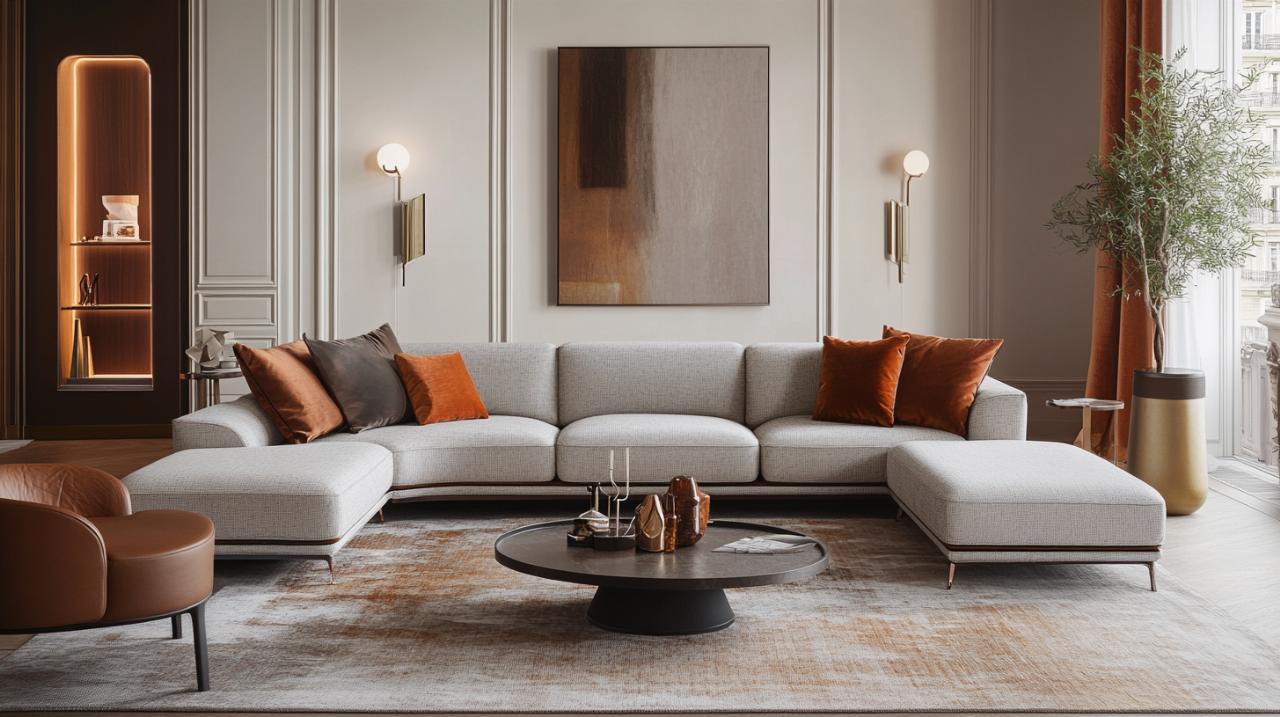
Routine cleaning schedules to extend furniture lifespan
Establishing a consistent cleaning routine is one of the most effective ways to extend the lifespan of your furniture. For upholstered sofas and chairs, vacuuming once a week prevents the accumulation of dust and allergens that can degrade fabric over time. Wooden surfaces, whether polished or lacquered, benefit from regular dusting with a soft, lint-free cloth, followed by occasional treatment with a suitable wood polish to nourish and protect the finish. Leather upholstery, prized for its durability and rich patina, should be wiped down with a damp cloth and conditioned every few months to prevent drying and cracking. Attention to hardware and joinery is equally important; checking for loose screws or wobbly legs and addressing them promptly can prevent more significant structural issues. By integrating these practices into your household routine, you safeguard the craftsmanship and integrity of your designer pieces.
Addressing Wear and Tear on High-Traffic Seating
High-traffic areas, such as family rooms and open-plan kitchens, place greater demands on furniture. Sofas and chairs in these spaces are subject to repeated use, increasing the likelihood of wear and tear. Rotating seat cushions and using throws or protective covers can distribute stress more evenly and shield fabrics from spills and scuffs. For families with young children or pets, opting for fabrics with tighter weaves or stain-resistant treatments offers peace of mind without sacrificing style. When signs of wear do appear, such as pilling or fading, addressing them early can prevent further deterioration. Consulting the manufacturer's care guidelines or seeking advice from a professional upholsterer ensures that repairs and treatments are carried out in a manner that respects the original design. By acknowledging the realities of daily life and adapting your care strategies accordingly, your furniture can remain both functional and beautiful.
Practical interior design choices: balancing aesthetics with durability across living spaces
Creating a home that is both visually compelling and resilient requires a thoughtful balance between aesthetics and practicality. The choices you make regarding materials, finishes, and furniture styles have a lasting impact on how your spaces evolve over time. Whether you are furnishing a bustling kitchen, a serene bathroom, or a welcoming living room, selecting pieces that marry beauty with durability ensures that your home remains a source of comfort and pride. Drawing inspiration from the principles of the Arts and Crafts movement, which championed fitness for purpose and honest craftsmanship, can guide you towards decisions that honour both form and function.
Selecting Hard-Wearing Materials for Kitchens and Family Rooms
Kitchens and family rooms are the heart of the home, spaces where daily life unfolds in all its messy, vibrant reality. These areas demand materials that can withstand spills, scrapes, and constant activity. Ceramic and porcelain surfaces, for instance, offer exceptional durability and are easy to clean, making them ideal for countertops and flooring. When it comes to seating, opting for performance fabrics that resist staining and fading ensures that sofas and dining chairs remain looking fresh even after years of use. Wooden furniture, particularly pieces crafted from hardwoods such as oak or walnut, provides both structural integrity and timeless appeal. The influence of Scottish woodwork traditions, as championed by figures such as those associated with Whytock and Reid, underscores the value of robust construction and attention to detail. By prioritising hard-wearing materials, you create spaces that accommodate the rhythms of everyday life without compromising on style.
Investing in Quality Over Trends for Long-Term Value
The allure of fleeting trends can be tempting, but true value lies in investing in quality pieces that transcend the whims of fashion. Designer furniture, rooted in principles of superior craftsmanship and thoughtful design, offers longevity that mass-produced alternatives cannot match. While the initial cost may be higher, the enduring appeal and resilience of well-made pieces ultimately prove more economical. Consider the work of designers who draw on vernacular architecture and traditional methods, creating furniture that feels both timeless and relevant. The emphasis on fitness for purpose, a concept that resonates throughout the history of design education and practice, ensures that every element of a piece serves a clear function while contributing to its overall beauty. By resisting the lure of disposable design and instead choosing items that reflect enduring values, you cultivate a home that matures gracefully and continues to bring satisfaction for years to come.